
Ventilation
Understanding HVAC Ventilation in Canadian Homes
How heat recovery ventilators work in cold climates, ASHRAE 62.2 requirements, and what to check when commissioning a new system.
Read article →A reference on ventilation systems, air filtration, and humidity control for Canadian homes — practical details, no sales pitch.
Updated: June 2026
Canadian homes face specific challenges: cold-weather sealing that traps pollutants, wide humidity swings, and heating systems that circulate particulates. These articles address each factor directly.
How HRV and ERV units work in Canadian climate conditions, and what building codes require for mechanical ventilation.
HEPA filter ratings, MERV efficiency grades, and how to match filtration to your household's specific needs.
Relative humidity targets for Canadian winters, condensation risks on windows, and when dehumidification is warranted.
How heat recovery ventilators work in cold climates, ASHRAE 62.2 requirements, and what to check when commissioning a new system.
Read article →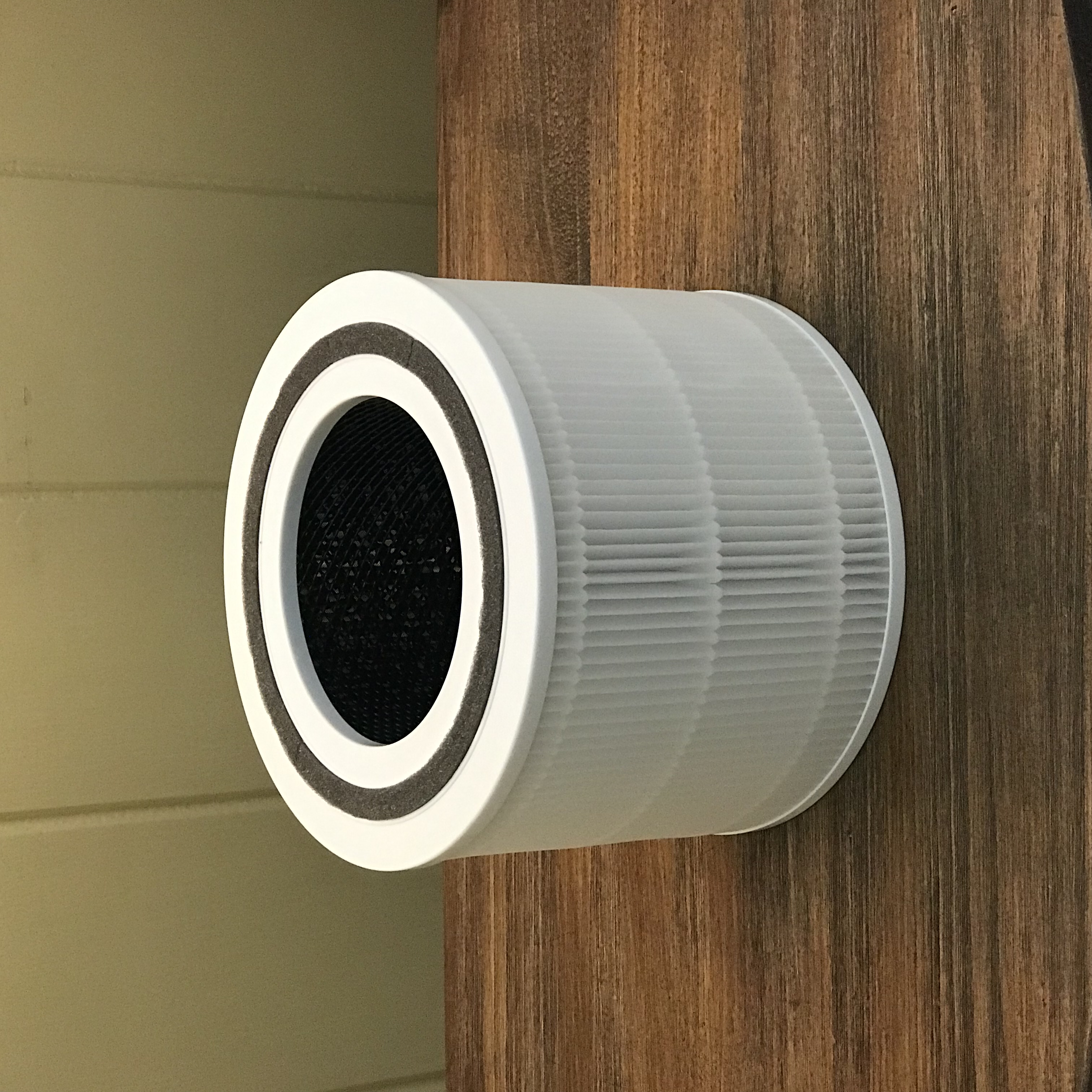
True HEPA versus HEPA-type filters, MERV ratings explained, and how filtration efficiency relates to particle size and airflow resistance.
Read article →
Seasonal humidity targets, condensation on cold surfaces, mould thresholds, and how to interpret your hygrometer readings.
Read article →Health Canada and ASHRAE both recommend keeping indoor relative humidity between 30 and 50 percent. In Canadian winters, 30–35% is often the practical ceiling before condensation forms on single-pane windows or poorly insulated frames.
ASHRAE 62.2-2019, which many Canadian provinces reference, sets a whole-building ventilation rate of 0.35 air changes per hour or 7.5 L/s per person, whichever is greater. Tightly-sealed new builds typically require a mechanical HRV or ERV to meet this.
Ontario and British Columbia require carbon monoxide alarms within 5 metres of all sleeping areas. Alberta's safety codes have similar provisions. Detectors should be placed at breathing height, not at ceiling level where CO does not naturally accumulate.
A MERV-13 filter captures particles down to 1 micron at roughly 75% efficiency — sufficient for most residential pollen, mould spores, and fine dust. True HEPA (MERV-17 equivalent) is generally reserved for standalone room air purifiers.
Use the form below to ask a question or submit a correction. No personal data is stored or transmitted.
Fields marked with * are required.